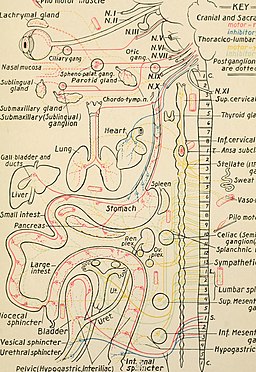

Familial dysautonomia (FD) is a genetic disorder of nervous systems throughout the body. As a result, many organs and functions are affected in ways that cause acute and chronic illnesses, suffering, and shortened life expectancies. With so many body elements involved in this disorder and so many resulting manifestations from it, biomedical descriptions are necessarily complex and dense. Writers of literary fiction can sometimes disentangle the complexities and lighten the text of complicated biomedical concepts.
FD is a case in point in Lionel Shriver’s novel, So Much For That. Here, a typical biomedical description of FD clinical manifestations and management approaches is compared with literary text from the novel.
The Biomedical
From GeneReviews® [Internet]. Seattle (WA): University of Washington, Seattle; 1993–2020. 2003 Jan 21 [updated 2014 Dec 18]. M Shohat, M Hubshman, M Adam, H Ardinger, RA Pagon, SE Wallace, LJH Bean, K Stephens, A Amemiya, editors.*
Clinical characteristics: Familial dysautonomia (FD) affects the development and survival of sensory, sympathetic, and parasympathetic neurons. It is a debilitating disease present from birth. Neuronal degeneration progresses throughout life. Affected individuals have gastrointestinal dysfunction, vomiting crises, recurrent pneumonia, altered sensitivity to pain and temperature perception, and cardiovascular instability. About 40% of individuals have autonomic crises. Hypotonia contributes to delay in acquisition of motor milestones. Older individuals often have a broad-based and ataxic gait that deteriorates over time. Life expectancy is decreased.
Management: Maintenance of adequate nutrition; measures to avoid aspiration; standard treatment of gastroesophageal reflux (i.e., intravenous or rectal diazepam, rectal chloral hydrate, IV fluids for vomiting crises); daily chest physiotherapy; possible high-frequency chest-wall oscillation; hydration, elastic stockings, leg exercises, counter-maneuvers (e.g., squatting, bending forward, abdominal compression) to treat orthostatic hypotension; pacemaker for bradyarrhythmia and/or syncope; artificial tear solutions for corneal healing; spinal fusion as needed.
The Literary
From: So Much For That, by Lionel Shriver, New York; HarperCollins, 2010
This novel centers on illness as loss in many of its forms, such as financial loss (including the issue of whether money can be an object in life and death decisions), loss of self, loss of control, and loss of meaning. The novel also portrays serious clinical scenarios that expand on descriptions offered by biomedical sources, and no better than in the case of the family in the story that has a daughter with FD. In the course of the book, Shriver portrays acute illness episodes of FD and some of the consequent suffering, loss, and grief it causes the adolescent girl with the disorder, Flicka, and her mother, Carol.
Granted, it wasn’t always easy to distinguish the symptoms of FD from the side effects of the meds; nausea, dizziness, tinnitus, canker sores, backaches, headaches, fatigue, flatulence, rashes, and shortness of breath came with both territories. But the nature of this episode grew clearer when in the midst of her gasping Flicka started to retch. The dry heaving was excruciating to watch, somehow more so than before the fundoplication, when she’d have spewed what little she’d ingested of Carol’s unwanted plate of scrambled eggs in a six-foot projectile plume. At least proper vomiting had seemed to offer relief. The retching was ceaseless and unavailing, as if an alien embryo in her guts were clawing its way out.
p. 98
Carol pulled Flicka’s jeans down, hastily coated her own middle finger with Vaseline, and slipped a tiny tablet the color of marshmallow peanuts as far as she could up her daughter’s ass. Without taking a reading they didn’t have time for, it was always tricky to discern whether Flicka’s blood pressure was soaring or plummeting, but Carol made an educated guess at low—the girl’s skin was clammy, pale, and cold—and administered a pink tablet of ProAmatine in the same rude fashion. Flicka’s whole digestive system would already have shut down, and even meds administered through her g-tube wouldn’t absorb.
p. 98
For good measure, Carol inserted yet another tablet of diazepam, and within a few minutes the convulsive retches in his [her father’s] arms spasmed farther apart. Fortunately, Carol had crammed Flicka full of Valium fast enough to avert a full-blown crisis—the human equivalent of a hard-drive crash—which would have sent them straight to New York Methodist.
p. 99
Flicka was crooked at the kitchen table over her homework, a trickle of drool drizzling disdainfully onto the page. She could have wiped it away before it hit her algebra equations, but she let the saliva blot the numbers on purpose. ‘I wanna know why I have to learn factoring when I’m never gonna live long enough to use this junk…Seems to me if I could drop dead at any time I should be able to do whatever I want. This is hardly making the best of a lifespan the length of a dog’s.’
p. 161
Also:
*GeneReviews, an international point-of-care resource for busy clinicians, provides clinically relevant and medically actionable information for inherited conditions in a standardized journal-style format, covering diagnosis, management, and genetic counseling for patients and their families. Each chapter in GeneReviews is written by one or more experts on the specific condition or disease and goes through a rigorous editing and peer review process before being published online. https://www.ncbi.nlm.nih.gov/books/NBK1116/. Accessed 5 June 2020.
More information about familial dysautonomia is available at the Familial Dysautonomia Foundation site.
A review of So Much For That is here.