An MRI Literary Image of a Guilty Conscience
Projects So That I Can Say More
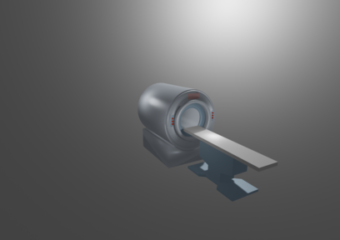
According to the art: A passage is excerpted from the novel, Nervous System, in which a character’s conscience is generated during an MRI scan.
Projects So That I Can Say More
According to the art: A passage is excerpted from the novel, Nervous System, in which a character’s conscience is generated during an MRI scan.
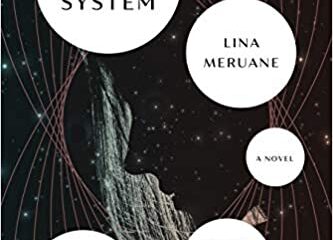
According to the art: The novel is about a family making its way through life dodging obstacles in the forms of illness, injury, death, and grief. The obstacles dominate the book, and are described in unusual, clever, and striking ways.
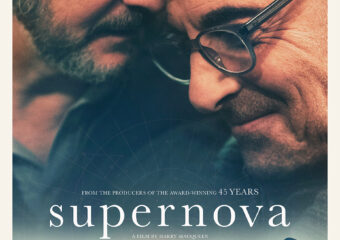
According to the art: The movie shows how a long-term gay couple faces the onset of dementia as any heterosexual couple does, but does not consider how it could be different.
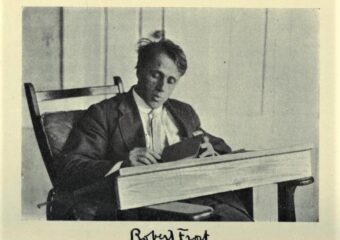
According to the art: The futility of twentieth century health care expressed in Robert Frost’s poem “Out Out—” has become the banality of twenty-first century health care.
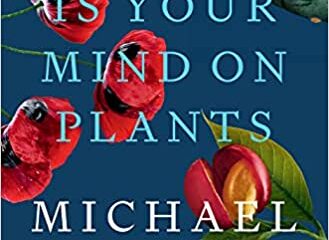
According to the Art: Michael Pollan continues pursuing his interest in the human drive for altering consciousness through mind-altering substances he started with his previous book, and marries this interest with his passion for plants and gardening. In this book, he investigates through personal experience, opium, caffeine, and mescaline.
According to the art: The book has entertainment value, to be sure. Readers of a certain age will further appreciate the book for the questions it raises and the thinking it inspires about taking measures to avoid devastating enfeeblement and infirmity during old age.
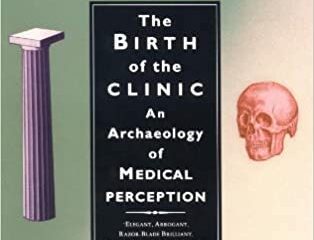
According to the art: Foucault’s “gaze” determined medical knowledge and affected doctors’ practices – dominated them. I consider whether the gaze still dominates almost sixty years after Foucault first proposed it.
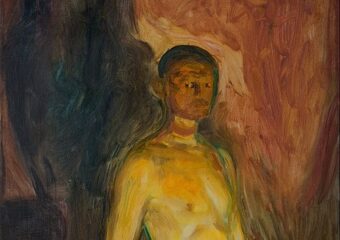
According to the art: If the soul is where feelings and emotions reside, then the soul is where the Norwegian expressionist painter, Edvard Munch, visited and is the source for many of his paintings, particularly those he grouped as a series he called: The Frieze of Life: A Poem of Life, Love and Death.
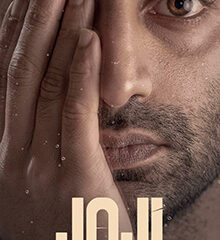
According to the art: As the first major movie featuring Covid-19, it plays a minor role in the plot and infers the time it is set.
Projects So That I Can Say More
According to the art: Here I compare biomedical and literary text describing Tourette syndrome. The biomedical text from a neurology journal describes the characteristic tics and behaviors while the literary text from a Jonathan Lethem novel more vividly describes signs and symptoms, and describes how Tourette syndrome can affect lives.