Philoctetes as Prologue
Projects So That I Can Say More
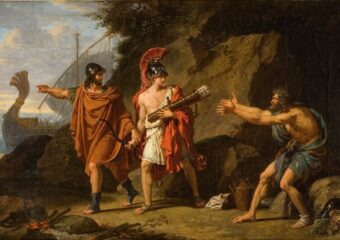
According to the art: The Greek tragedy, Philoctetes, offers prologues to health problems today involving pain, abandonment and exile, and ethical dilemmas.
Projects So That I Can Say More
According to the art: The Greek tragedy, Philoctetes, offers prologues to health problems today involving pain, abandonment and exile, and ethical dilemmas.
According to the art: Thomas Kuhn’s classic book may give us a better understanding of how science works, but probably not one that helps us worry less about the reliability of medical knowledge.
According to the art: The author wants to “cross restrictive boundaries” between medical logos and medical eros so that desires connected to specific health problems can be recognized, reconciled, and remediated.
Projects So That I Can Say More
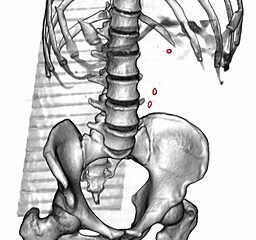
According to the art: The essayist Michel de Montaigne tells of the excruciating pain of his kidney stones but also how be benefitted from them in certain ways; a notion not likely shared by any of those who have experienced them.
According to the art: In considering how we should respond to the Covid-19 pandemic and harms produced from environmental destruction and digital capitalism, O’Siadhail, through his poetry, asks that we consider more than just what lessons we have learned, and consider what we should desire.
Projects So That I Can Say More
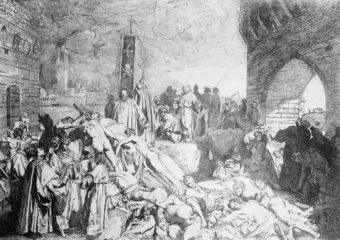
According to the art: People fleeing areas during plague visitations is a common reaction. In this post, Boccaccio’s description of people fleeing Florence during the 1348 plague is compared to migration away from New York City during the 2020 Covid-19 pandemic.
Projects So That I Can Say More
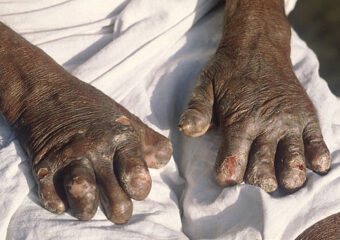
According to the art: A recent novel featuring leprosy in the southwestern region of India occasions the opportunity to compare a literary description of the disease with contemporary biomedical text.
According to the art: The book is a graphic memoir covering MK Czerwiec’s time mostly as a nurse in the HIV/AIDS unit at Illinois Masonic hospital in Chicago, Illinois from 1994 until 2000 when the unit closed. It provides personal context for one of the most serious and complex medical calamities in decades, and in a form that adds value to conventional forms of biomedical texts and teachings.
According to the art: National Museum (Oslo) art curator and Munch expert, Øystein Ustvedt, brings together art history and Munch’s biography in explaining how his work depicts both emotional and subjective aspects of the human condition, to include illness and its consequences.
According to the art: The book is classified as a memoir, and while it has the elements of a memoir, Leland crosses seamlessly into other genres, such as history, philosophy, political science, and long-form journalism. He plunges into the country of the blind, which for him is a “teeming variety of their stories of struggle, adaptation, and adventure.”