Ava
According to the art: Thirteen-year-olds often feel a lot of anxiety and uncertainty, and their developing brains have yet to gain control of risky impulses. This movie explores the effects of ratcheting up these anxieties and uncertainties.
The posts in What These Works Say comprise reviews and analyses of works from the Humanities selected for their focus on illness experiences beyond what biomedical sources typically provide. The works selected address both the experience of illness diseases and disorders cause (e.g., pain, disability, disorientation), and related challenges (e.g., health care access, psychological manifestations, relationship disruptions). The posts consist of three sections: 1) a brief take on the key perspectives the work offers about disease and illness (According to the Arts); 2) a summary of the whole work (Synopsis); and 3) how the work renders, explains, or expands on the illness experiences or disease processes it covers (Analysis).

According to the art: Thirteen-year-olds often feel a lot of anxiety and uncertainty, and their developing brains have yet to gain control of risky impulses. This movie explores the effects of ratcheting up these anxieties and uncertainties.
According to the art: Slotten offers perspectives both as a health care provider and as a member of an at-risk community. These perspectives are formed out of individual experiences at the bedside, in the clinic, in the classroom, and in his social relationships.

According to the art: Patrick Radden Keefe goes deep into how and why the Sackler family and its company, Purdue Pharma, fueled the epidemic with its product OxyContin.
According to the art: The movie tells the story of a psychiatrist traveling around to asylums in the US performing lobotomies during the mid-1950s when they were falling out of favor. While familiar horrors long associated with lobotomies and asylums are shown, their purpose in the movie is conveying the dangers of overconfidence and hubris existing in the US then and now.
According to the art: The novel works well on its own as a compelling story, but it can also serve as a companion to nonfiction books, documentary films, and investigative reports covering the opioid crisis with the expanded view it generates of how individual lives are affected in the midst of all else that threatens them.
According to the art: The author grapples with the question: “How is it possible that a disease characterized by coughing, emaciation, relentless diarrhea, fever, and the expectoration of phlegm and blood [i.e., tuberculosis] became not only a sign of beauty, but also a fashionable disease?”
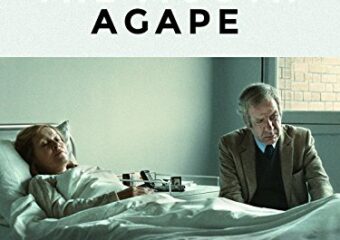
According to the art: “When bad things happen to good people” is a common trope used in movies featuring the loss of a family member to cancer, or any disease. Something closer to bad things happen to not-so-good people is at work in this movie.
According the the art: The novel can be read as simply a dystopian story. But it can also be read as an ethical analysis of human cloning technology applied to organ supply, whether the author, Kazuo Ishiguro, had that purpose in mind or not.
According to the art: The book comprises four sections that can work together or independently of one another, but across all of them are scenes in which the main character experiences migraine headaches that provide perspectives on the physical suffering they can cause, the nature of relationships migraineurs can have with health care providers, and some of the social implications associated with chronic migraine headaches.
According to the art: In this short story depicting greed and imperiousness in a Russian pharmacy during the late 1800s, Anton Chekhov is foretelling characteristics that will affect health care in the U.S over a century later.