Supernova
According to the art: The movie shows how a long-term gay couple faces the onset of dementia as any heterosexual couple does, but does not consider how it could be different.
The posts in What These Works Say comprise reviews and analyses of works from the Humanities selected for their focus on illness experiences beyond what biomedical sources typically provide. The works selected address both the experience of illness diseases and disorders cause (e.g., pain, disability, disorientation), and related challenges (e.g., health care access, psychological manifestations, relationship disruptions). The posts consist of three sections: 1) a brief take on the key perspectives the work offers about disease and illness (According to the Arts); 2) a summary of the whole work (Synopsis); and 3) how the work renders, explains, or expands on the illness experiences or disease processes it covers (Analysis).
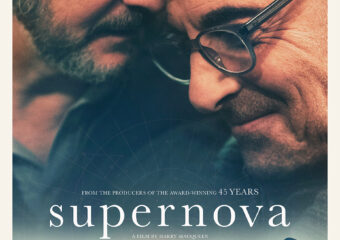
According to the art: The movie shows how a long-term gay couple faces the onset of dementia as any heterosexual couple does, but does not consider how it could be different.
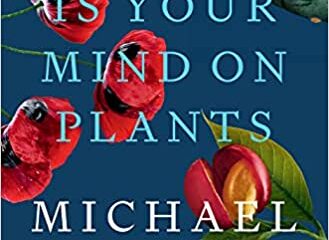
According to the Art: Michael Pollan continues pursuing his interest in the human drive for altering consciousness through mind-altering substances he started with his previous book, and marries this interest with his passion for plants and gardening. In this book, he investigates through personal experience, opium, caffeine, and mescaline.

According to the art: The book has entertainment value, to be sure. Readers of a certain age will further appreciate the book for the questions it raises and the thinking it inspires about taking measures to avoid devastating enfeeblement and infirmity during old age.

According to the art: As the first major movie featuring Covid-19, it plays a minor role in the plot and infers the time it is set.
According to the art: Florian Zeller, the screenwriter and director, admits he wants viewers feeling what people with dementia feel. He succeeds in the movie as he succeeded in the Broadway play version preceding it.
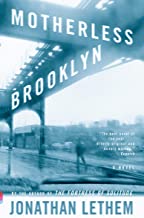
According to the Art: From this novel, we get a view—Lethem’s—of how Tourette syndrome can affect everyday life and how it can progress; how people with the syndrome can think about it; the balance people seek between benefits and side effects of drug therapies; and whether it’s acceptable to think that some verbal and physical tics are funny.
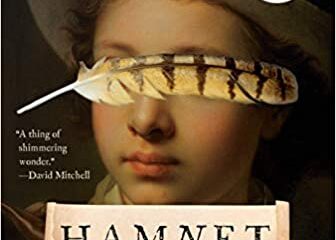
According to the Art: The novel centers on the eleven-year-old son of a late sixteenth-century playwright and stage performer who died from the plague in Stratford, England. Story elements touching on medical humanities concerns include death, grief, dread, childbirth, and how plague infections spread.
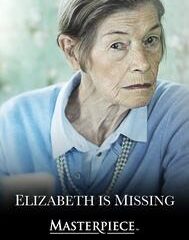
According to the art: The movie can be approached as a crime story with dementia as a wrinkle, or as a dementia story with crime as a wrinkle. As a movie focusing on dementia, it prompts the haunting possibility that people with advanced dementia may still possess more cognitive ability than they are credited, and that language problems dementia can cause may obscure retained recall and cognitive functions.
According to the art: I was drawn to this novel because it covers the early HIV / AIDS epidemic in Chicago, which is where I was at the time. I was not disappointed as far as that goes, but found it impossible not to draw comparisons between the novel and the current coronavirus pandemic
According to the Art: Cipolla’s account of the bubonic plague striking Northern Italy in 1630 shows how epidemics drive people into opposing groups, in this case, Church and State. The 2020 pandemic shows that epidemics still drive people into opposing groups.